

Le Corbusier
Trace the principles with your body
The Five Points stick better as movement—from pilotis up to the roof—than as slogans to memorize. Villa Savoye is the textbook entry. Modulor can be read as linking human scale to standardization. Comparing Unité and Cabanon—large collective living versus a tiny cabin—deepens that idea. The National Museum of Western Art translates the Museum of Infinite Growth into a Japanese site. Reading master–pupil ties with Maekawa, Sakakura and others shows paths of influence into Japanese modern architecture. Swiss-born architect and planner who worked in France. He led the modern movement across houses, chapels, housing blocks, and capital planning. In Japan he is known for the National Museum of Western Art; Kunio Maekawa and Junzo Sakakura trained in his office.
Works
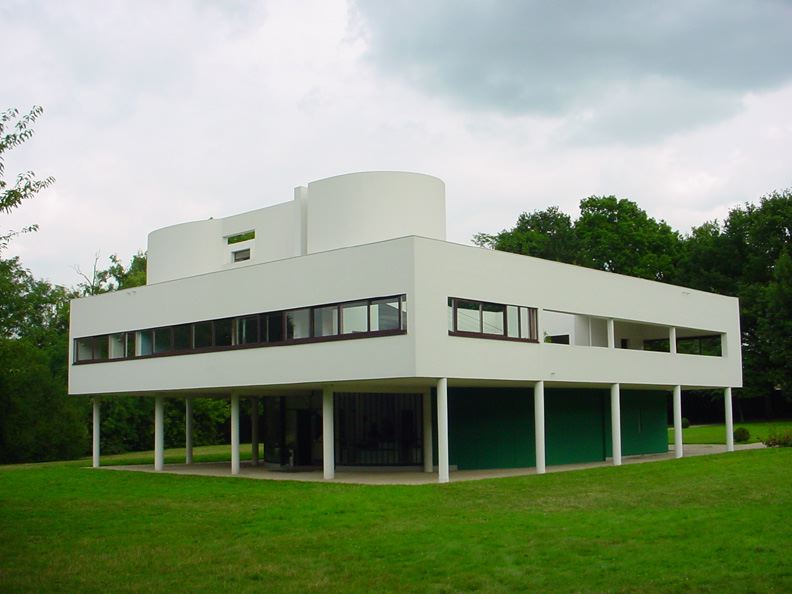
Villa Savoye
Poissy, France · 1931
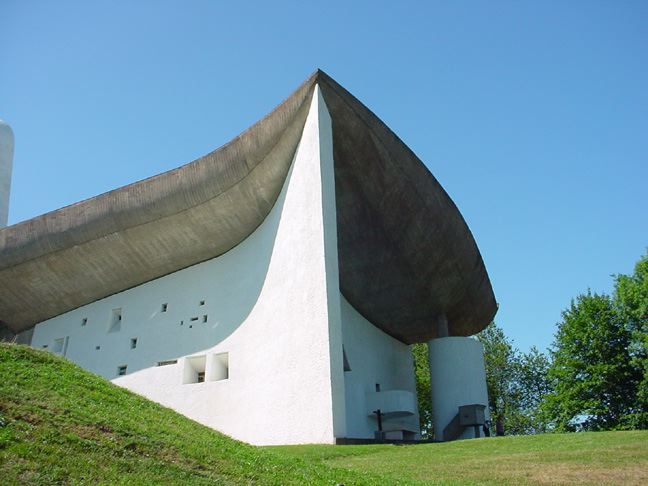
Chapelle Notre-Dame-du-Haut
Ronchamp, France · 1955

Unité d'habitation, Marseille
Marseille, France · 1952
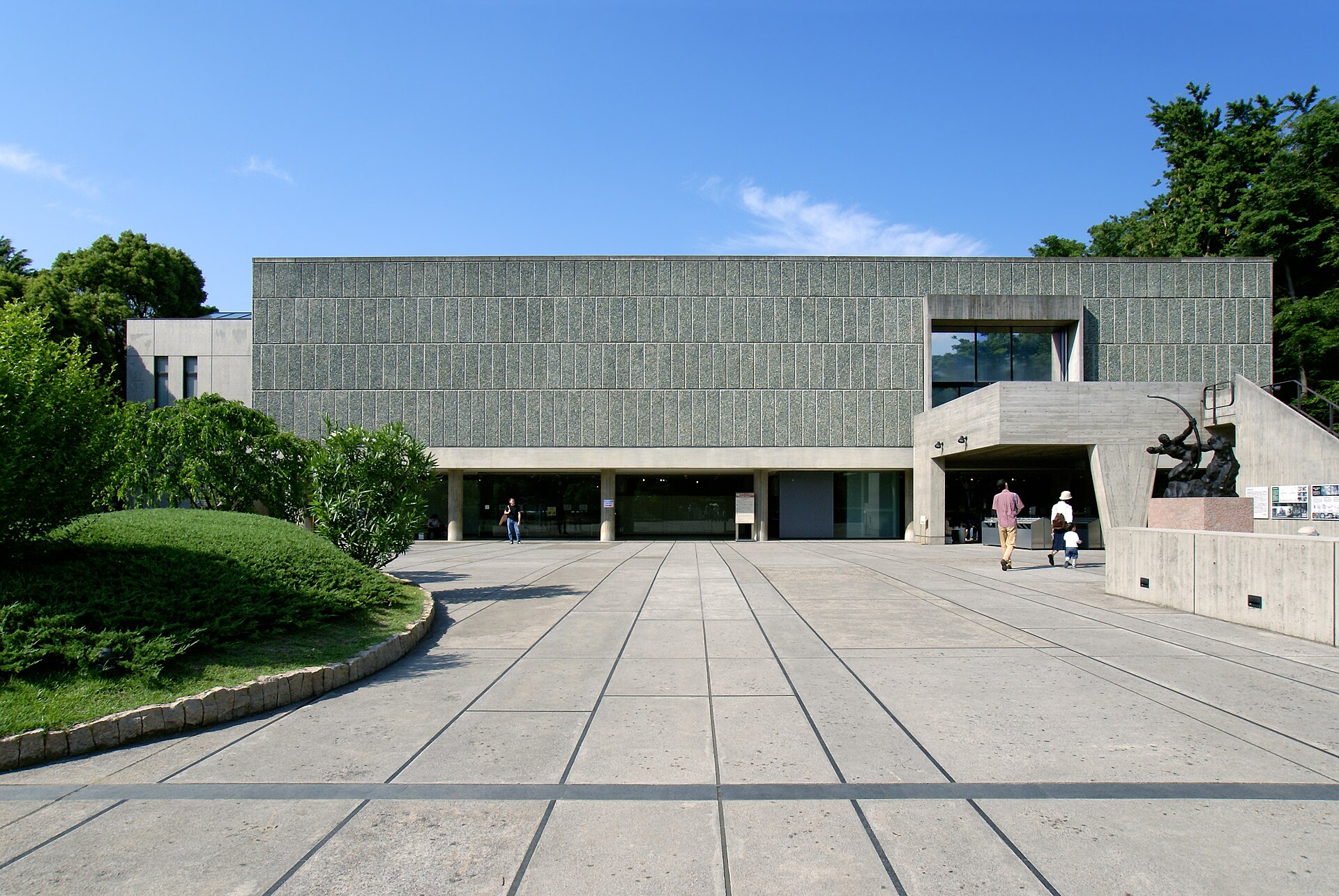
National Museum of Western Art
Taito, Tokyo · 1959
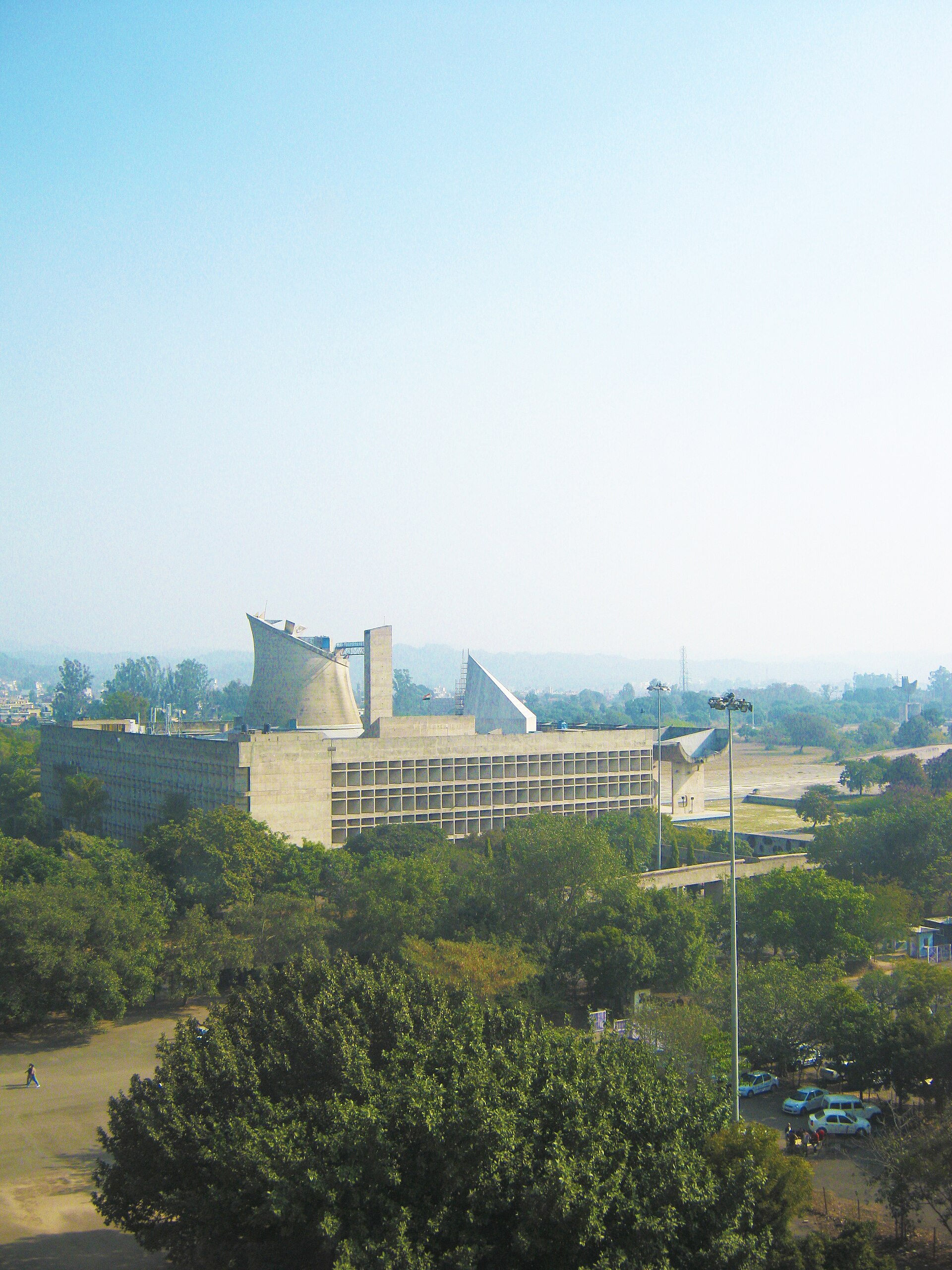
Complex of the Capitol, Chandigarh
Chandigarh, India · 1960
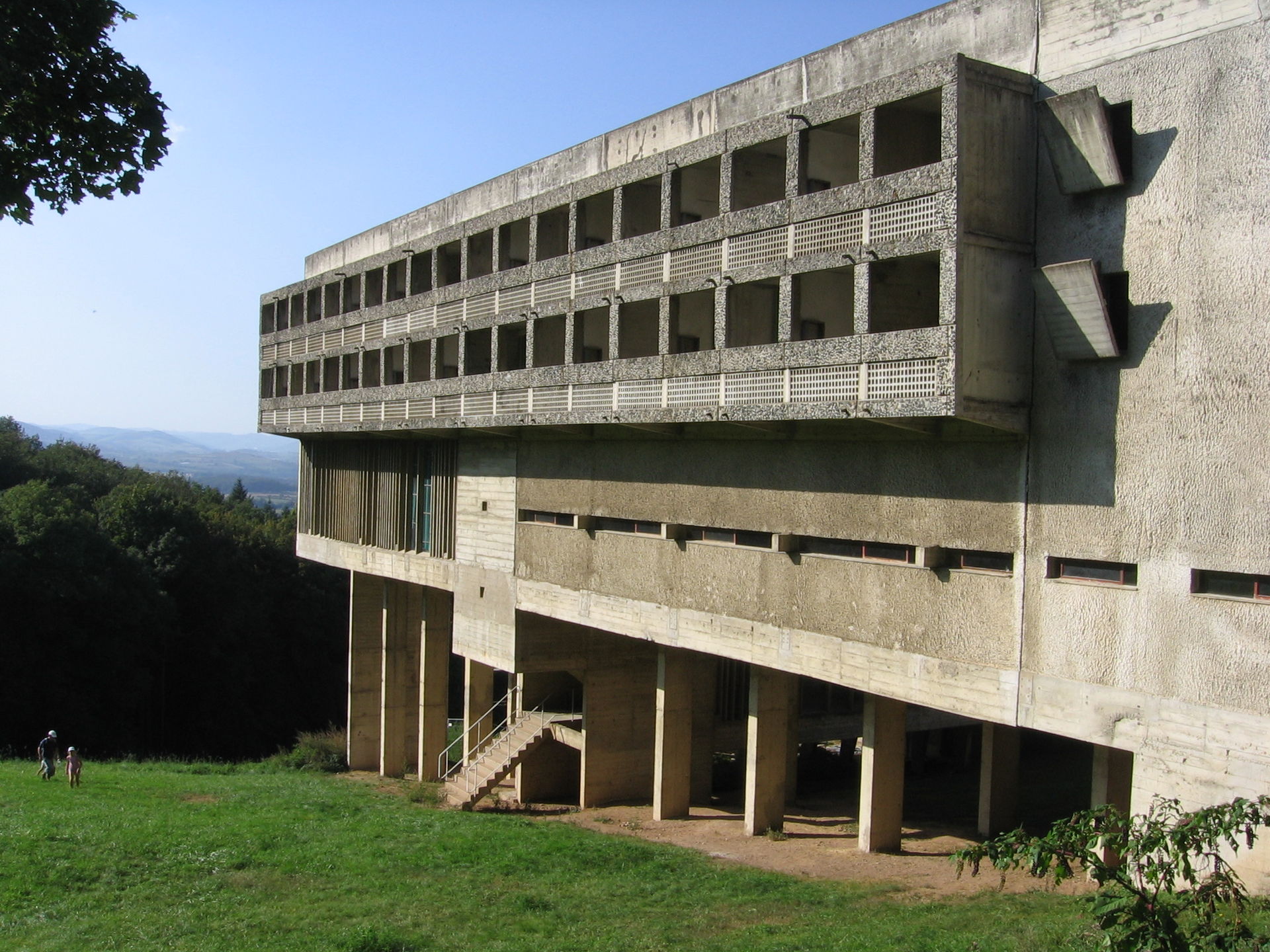
Couvent Sainte-Marie-de-la-Tourette
Éveux, France · 1960
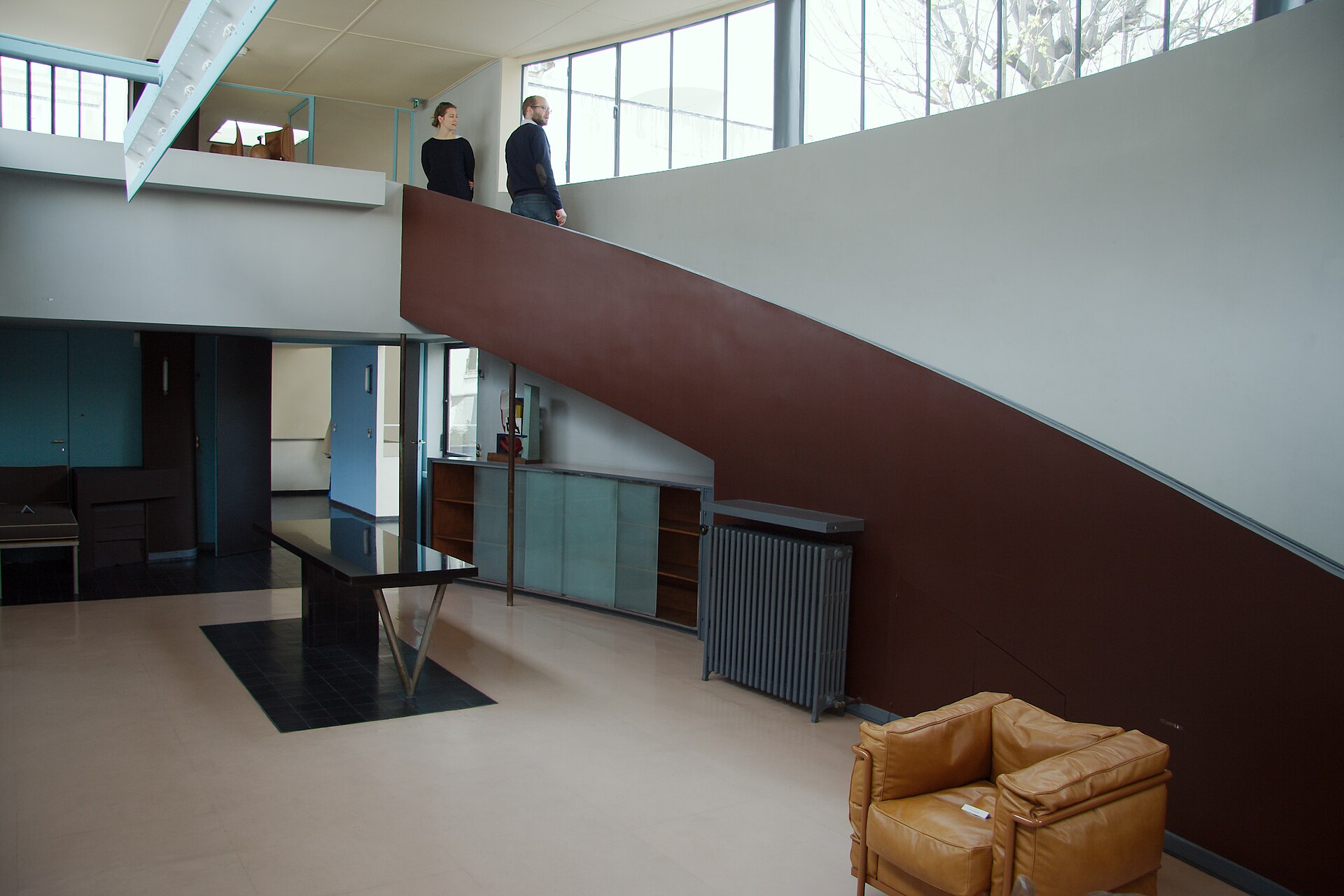
Maisons La Roche et Jeanneret
Paris, France · 1925
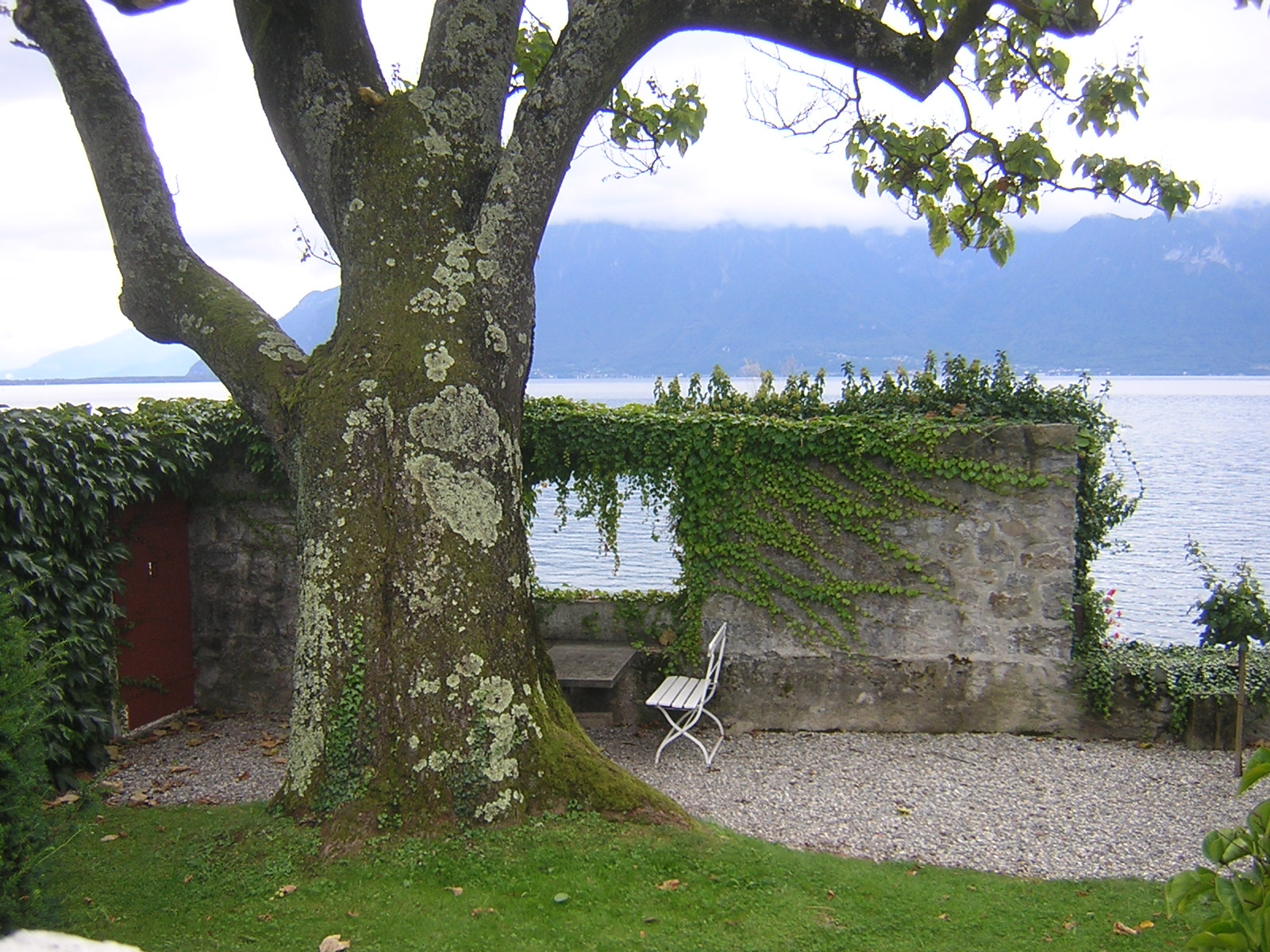
Villa Le Lac
Corseaux, Switzerland · 1924
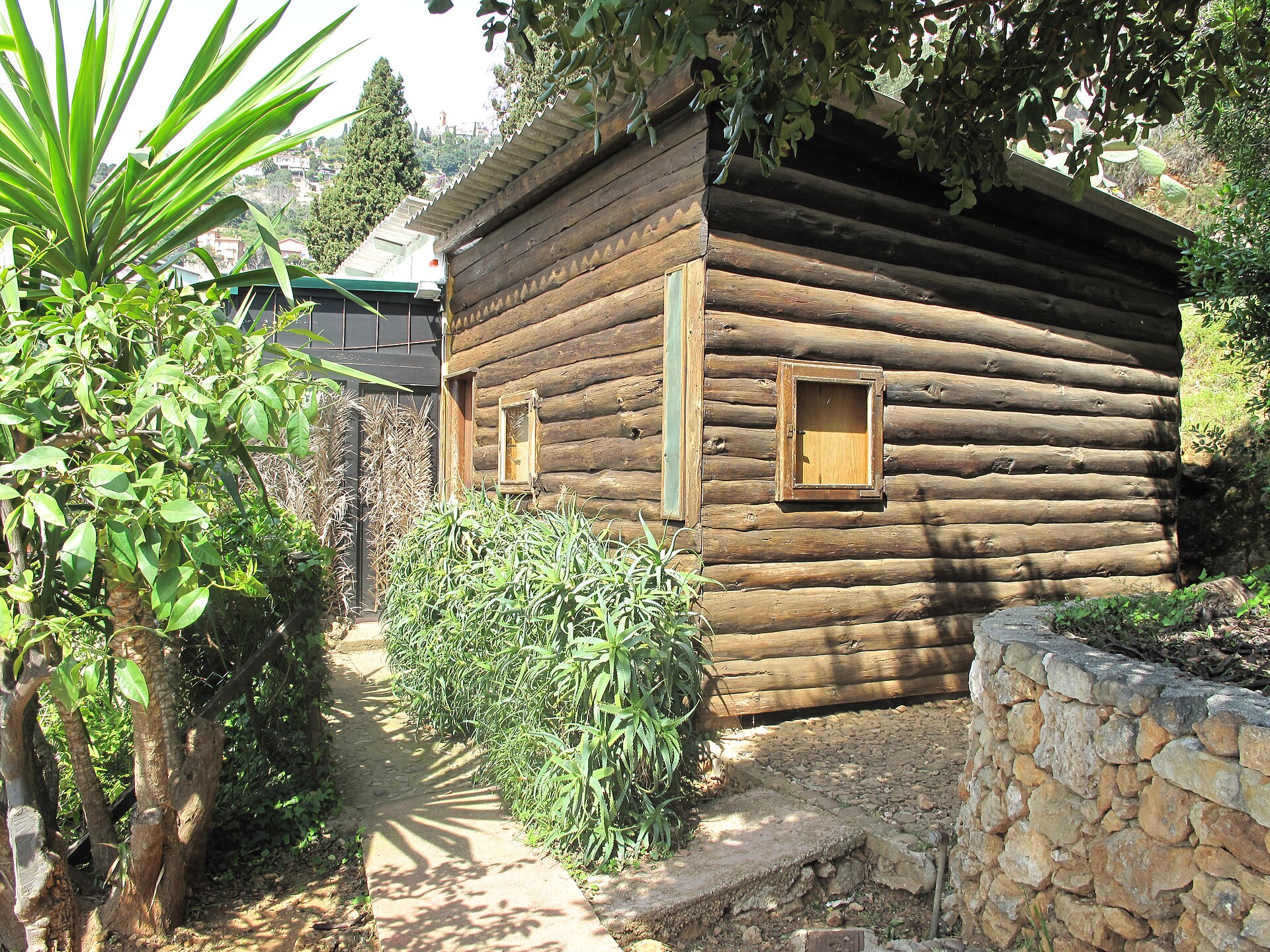
Cabanon de Le Corbusier
Roquebrune-Cap-Martin, France · 1952
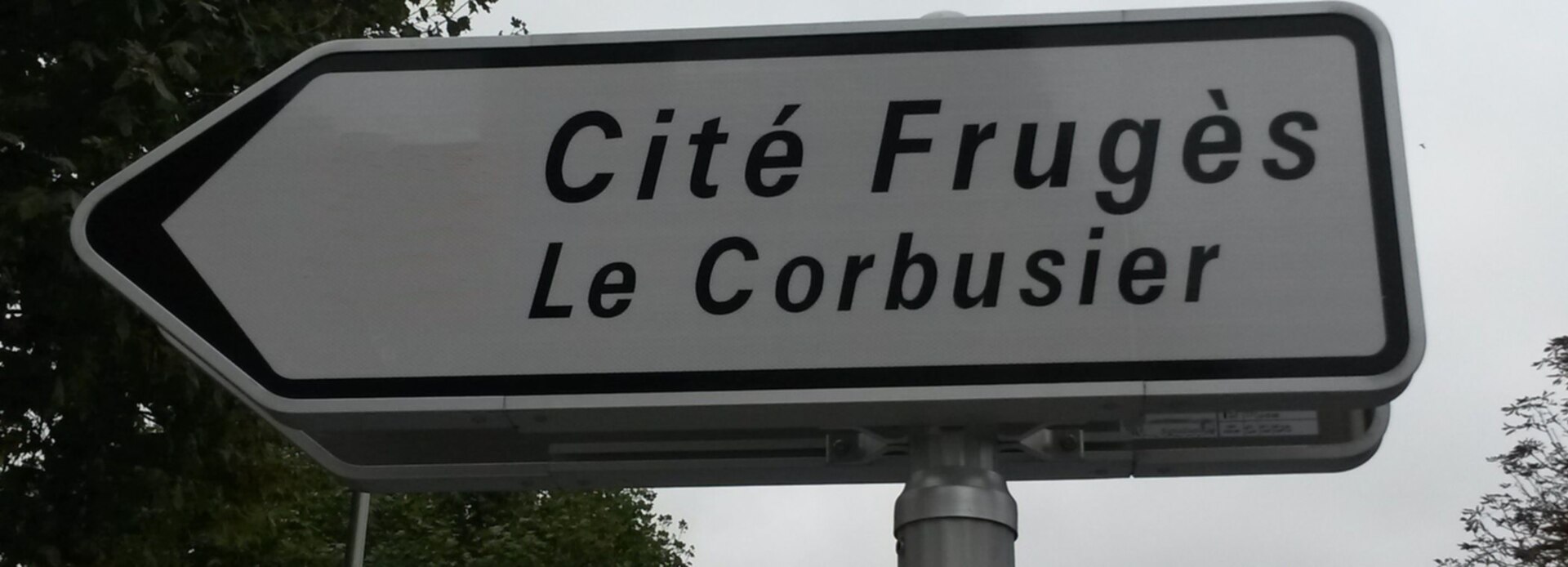
Cité Frugès
Pessac, France · 1926
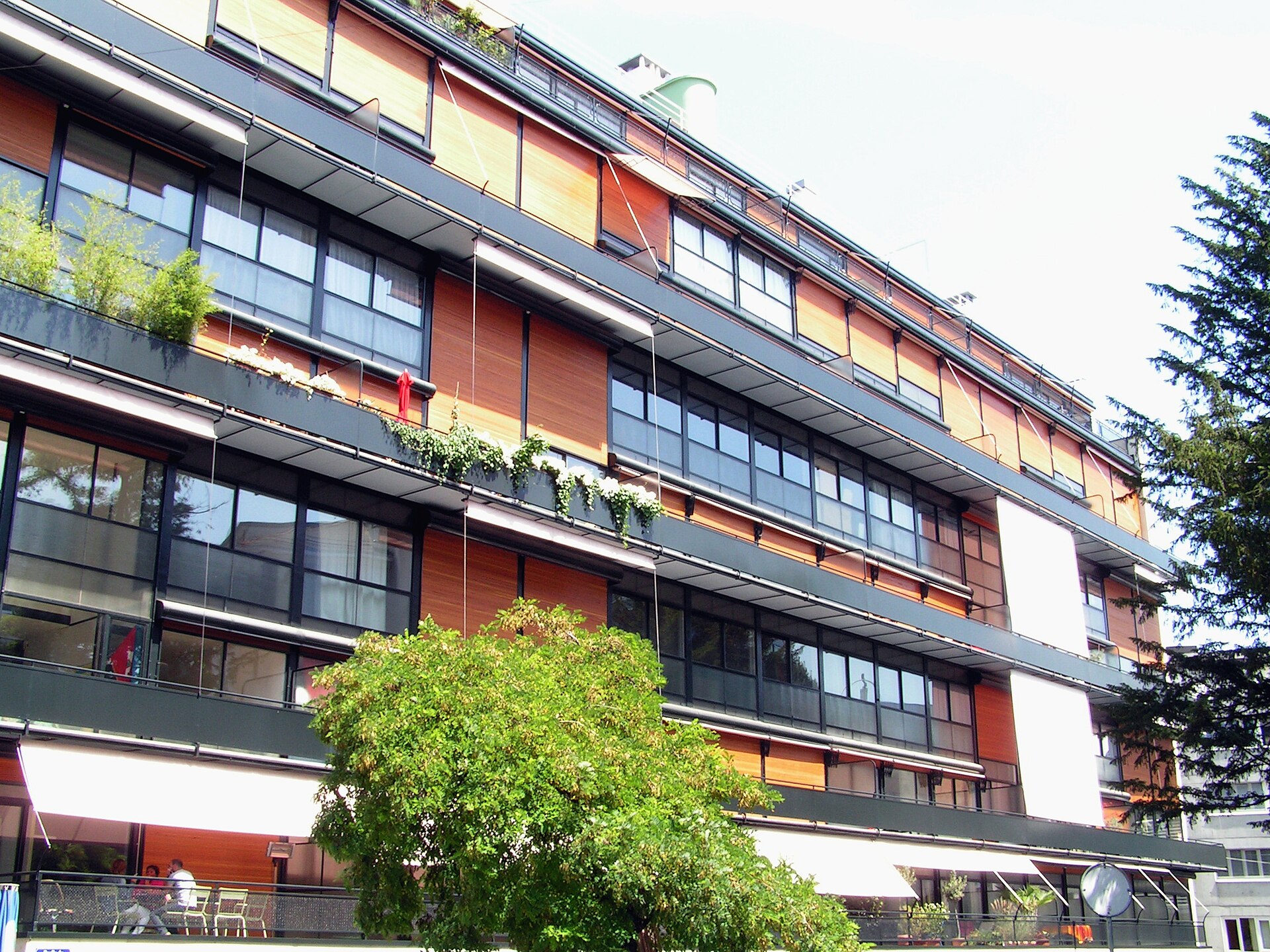
Immeuble Clarté
Geneva, Switzerland · 1932
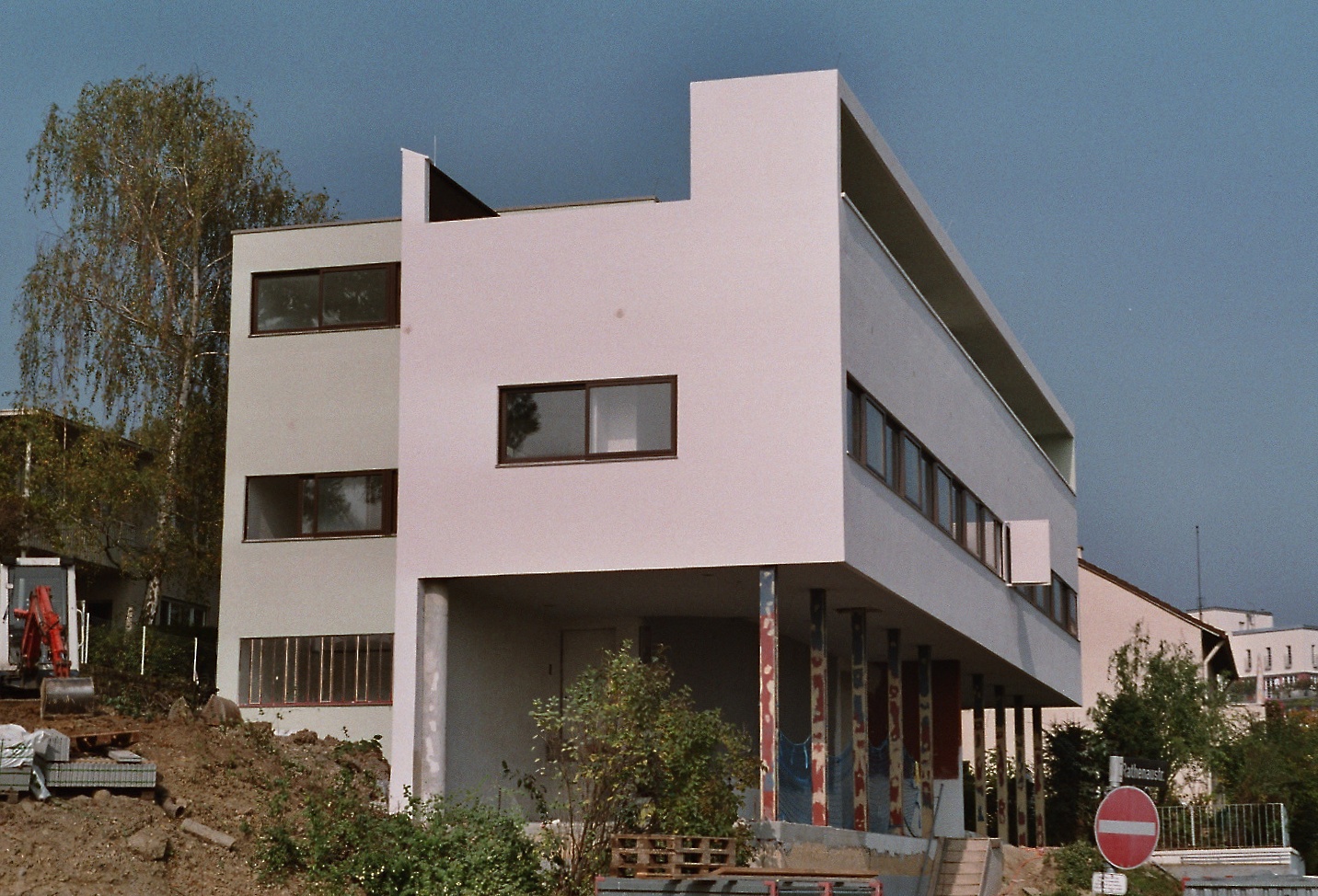
Houses of the Weissenhof-Siedlung
Stuttgart, Germany · 1927
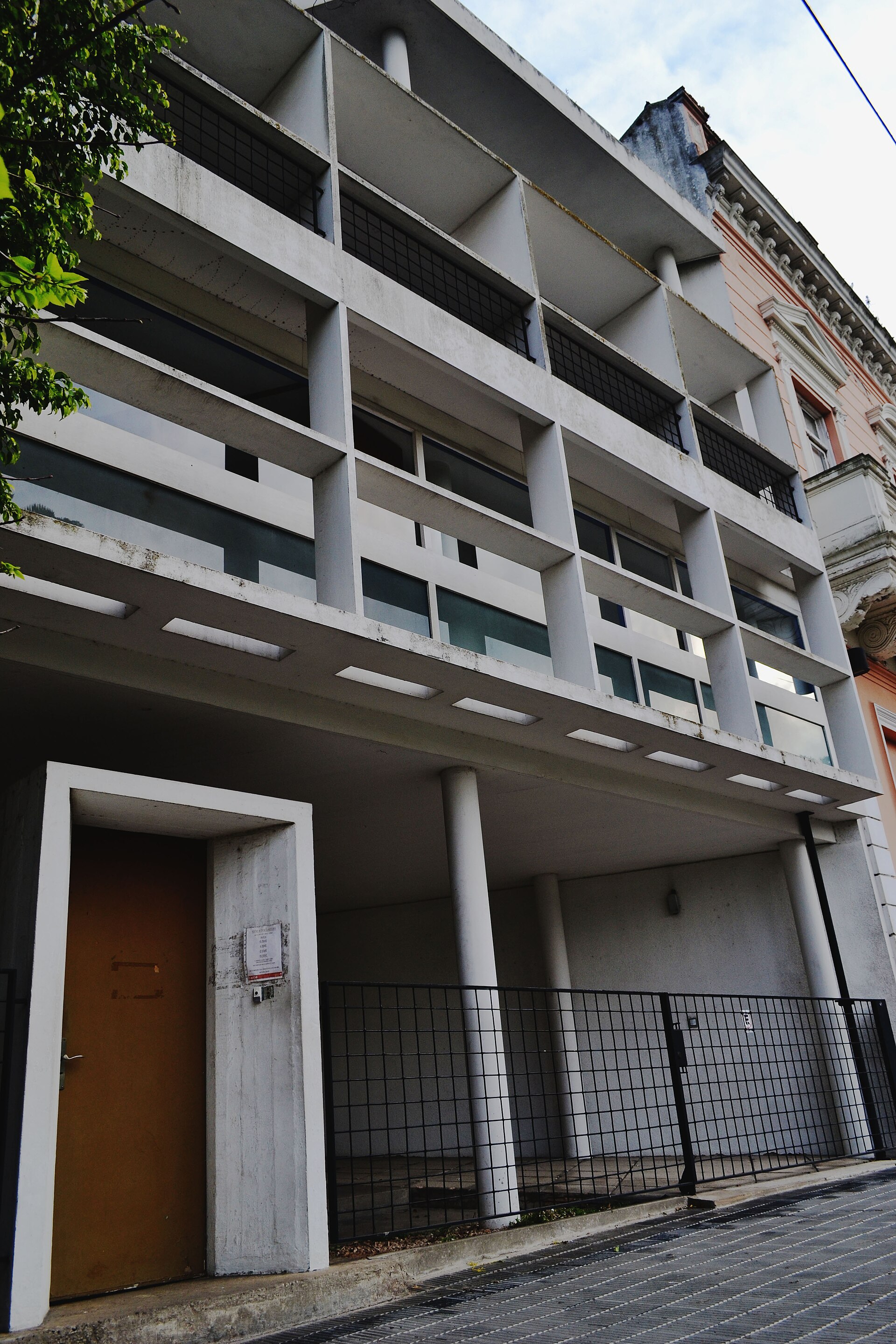
Maison du Docteur Curutchet
La Plata, Argentina · 1953
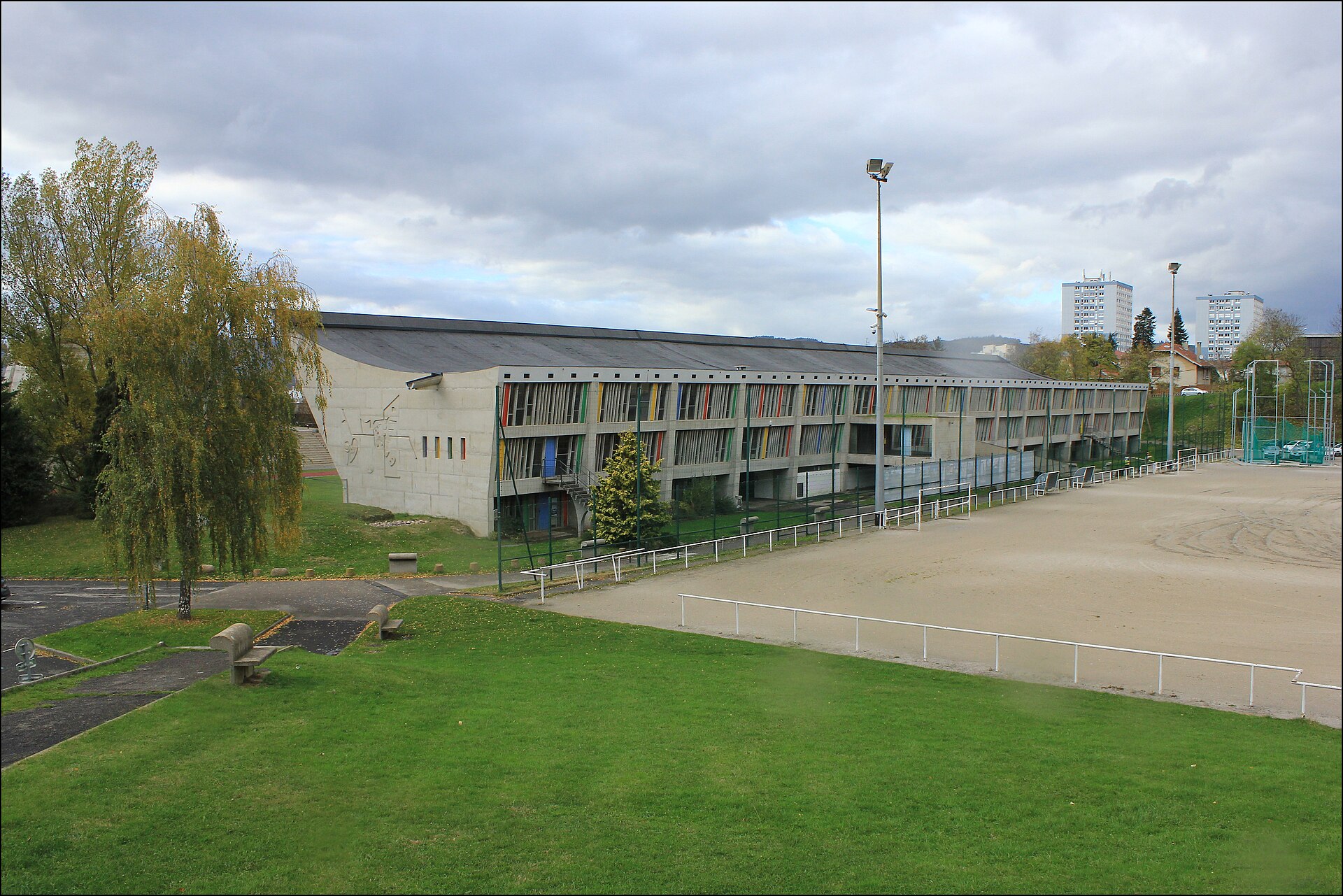
Maison de la Culture, Firminy
Firminy, France · 1965
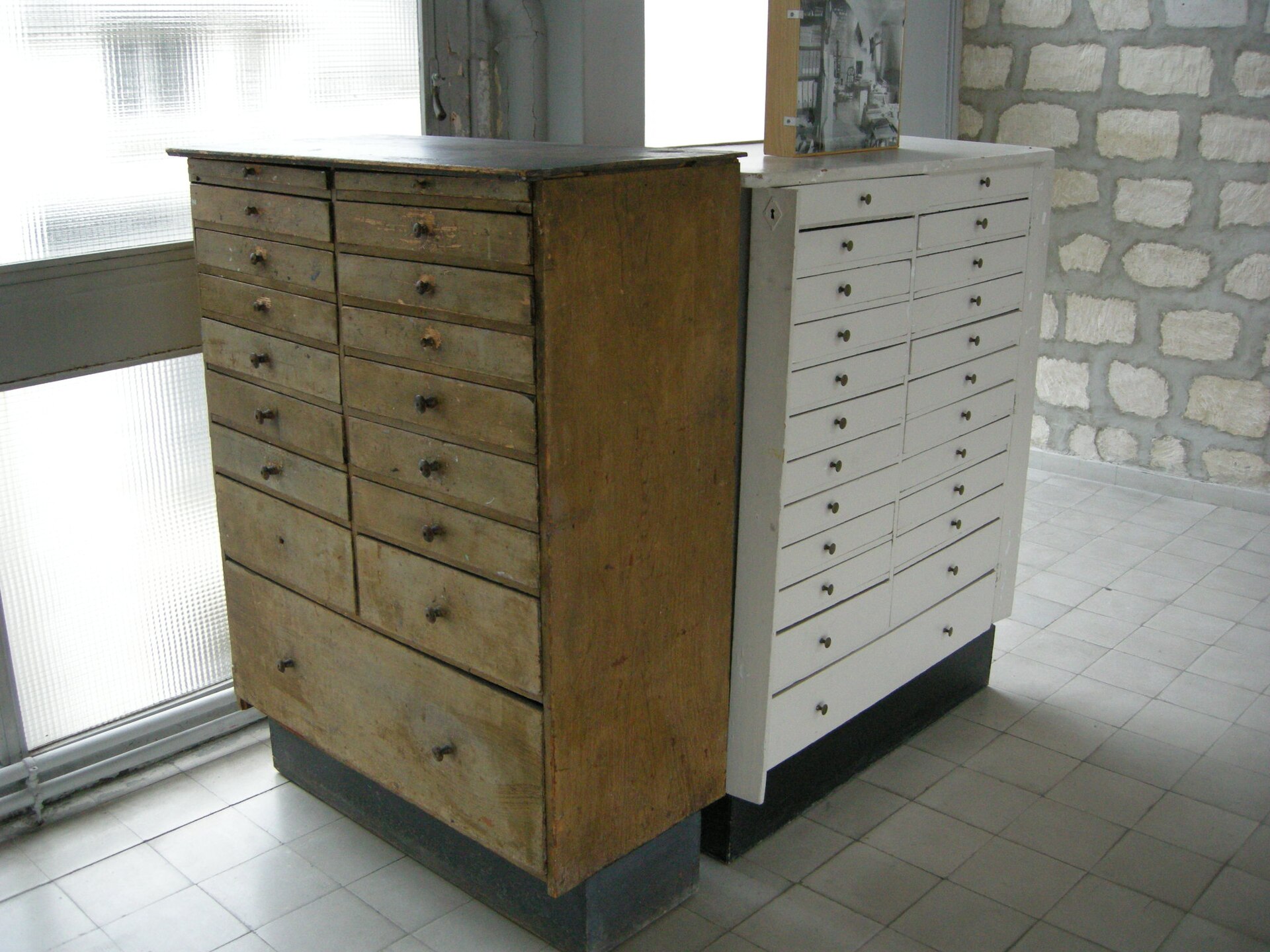
Immeuble locatif à la Porte Molitor
Boulogne-Billancourt, France · 1934

Maison Guiette
Antwerp, Belgium · 1926
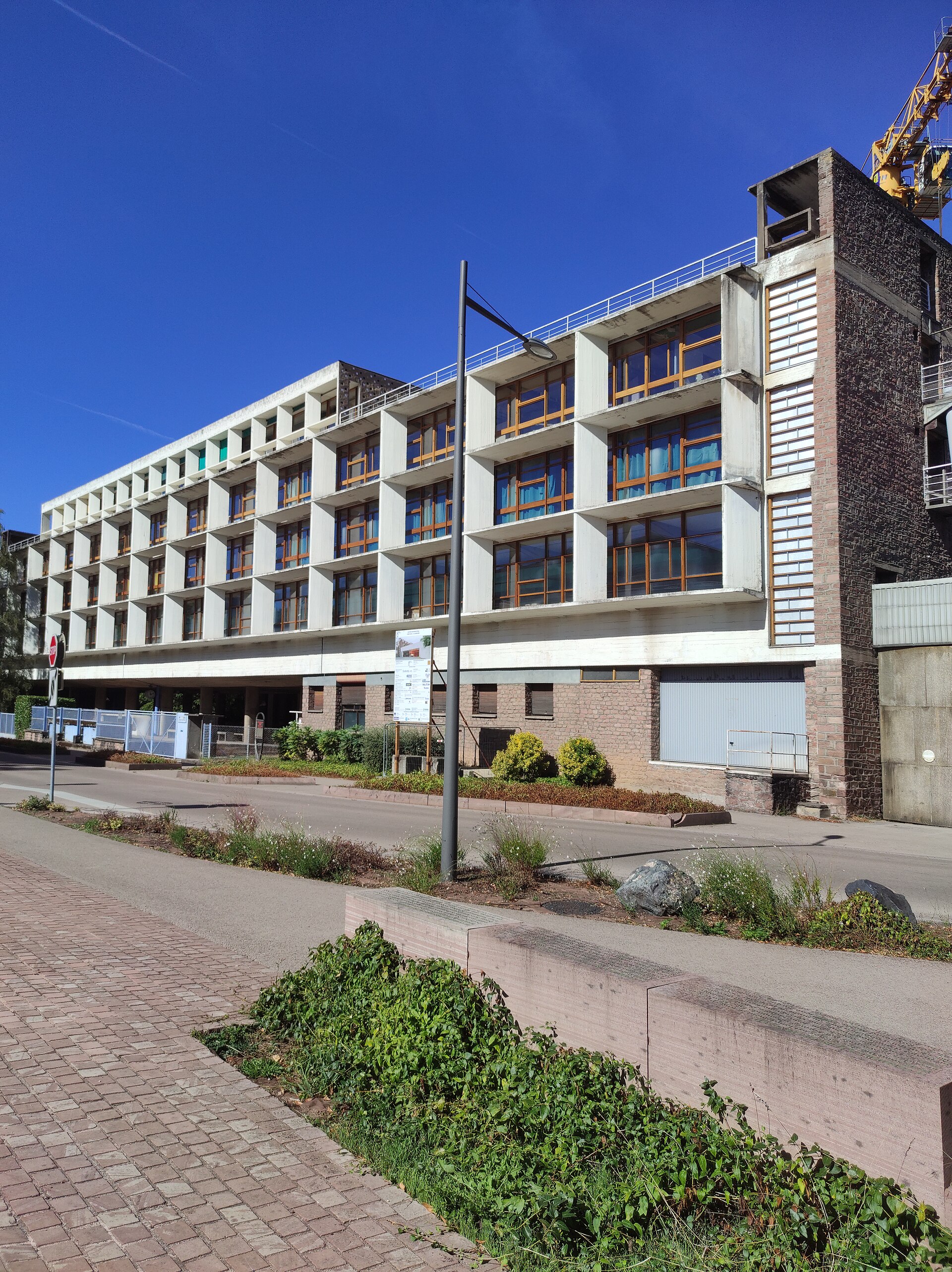
Manufacture à Saint-Dié
Saint-Dié-des-Vosges, France · 1952